
Little-Known Things About Local Dumpster Rental
When a massive home cleanout, renovation, or landscaping overhaul looms on the horizon, managing waste becomes a major part of the logistical puzzle. Most people understand the basic premise of renting a large container to discard unwanted items, but the intricate details of a local dumpster rental often remain in the shadows. It seems like a straightforward transaction: you call, they drop off a metal box, you fill it, and they haul it away. However, beneath that simple exterior lies a world of weight limits, hidden ordinances, and structural requirements that can surprise even experienced project managers. Understanding these lesser-known facets can save significant time, money, and stress during your next major cleanup.
Many homeowners assume that all waste removal services operate under the exact same parameters, but regional nuances play a massive role in how these transactions unfold. From municipal recycling mandates to the physical mechanics of delivery trucks, various factors influence the success of your cleanup project. By peeling back the layers of this essential service, you can approach your next project with total confidence, avoiding common pitfalls that frequently disrupt timelines and inflate budgets. Planning ahead and learning about the operational side of waste haulers ensures that your property remains undamaged, your budget stays intact, and your neighborhood relations remain harmonious throughout the duration of your project.
Estimating Volume Accurately
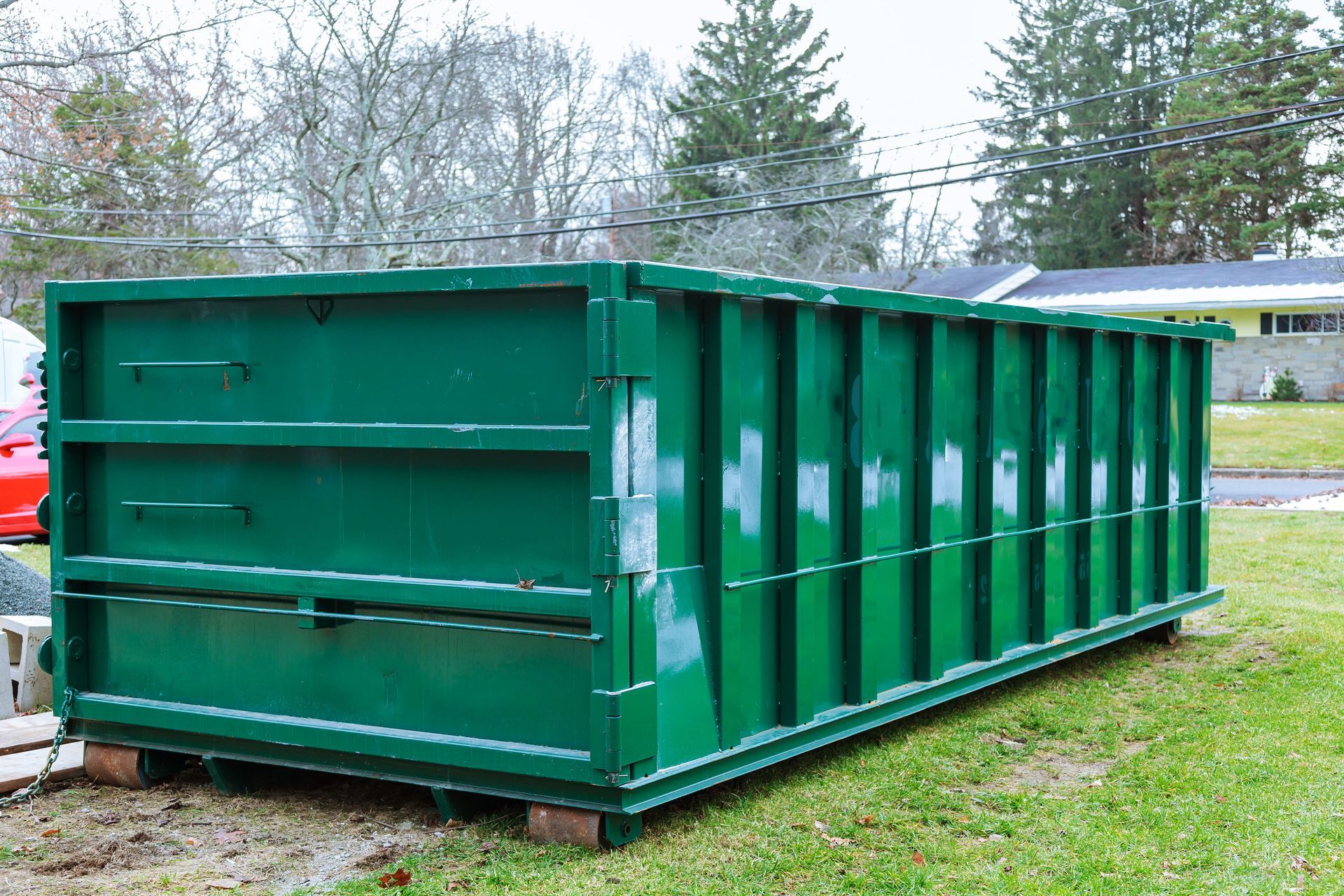
Choosing the correct container size is notoriously difficult for novices, leading many to overpay for empty space or underinvest and need another container. Visualizing how piles of loose debris translate into structured steel dimensions requires a bit of calculation. According to HomeGuide.com, at 14’ long and 3.5’ high, a 10-yard dumpster can hold two to three tons of debris or trash, or about 3 pickup truckloads. This specific dimension serves as an excellent baseline for smaller residential tasks. When you look at a driveway, imagining multiple truckloads stacked together helps clarify exactly how much space you truly need before committing to a specific container size.
Many individuals make the mistake of choosing a size based purely on visual estimation, only to realize that loose items pack poorly and occupy vast amounts of space due to air pockets. Taking the time to dismantle large furniture, bundle loose materials, and stack items systematically can dramatically alter the amount of space required. It is always wise to discuss the specific nature of your debris with professionals who can translate your pile of old drywall, carpets, and wood into the perfect container size. Professional dispatchers have years of experience matching cleanup projects with the ideal container capacity, saving you from the frustration of an under-filled or overflowing bin.
Navigating Permitting Laws
Placing a massive steel container on your property is not always a simple matter of choosing a spot. Many homeowners are surprised to learn that municipal governments enforce strict rules regarding where these bins can sit. If the container must overflow onto a public sidewalk, street, or right-of-way, a specific permit is almost always mandatory. Failing to secure this paperwork before delivery can result in hefty fines or the immediate removal of the container at your expense. Even neighborhood associations frequently hold private bylaws regarding how many days a container can remain visible, making advanced research into regional rules absolutely essential.
When securing a local dumpster rental, asking the provider about local permit requirements is a smart move, as they often understand the specific bureaucratic landscapes of the surrounding neighborhoods. They can guide you through the application process or, in some cases, pull the permits on your behalf. Ignoring these legalities can halt your project entirely, turning a weekend cleanup into an expensive administrative headache. Municipalities are highly protective of public parking spaces and pedestrian walkways, so securing permission beforehand ensures your project proceeds without local government intervention.
Protecting Underlying Surfaces
The sheer weight of an empty steel container is enough to cause anxiety, but a fully loaded one poses a genuine threat to residential infrastructure. Driveways, asphalt, and manicured lawns can easily crack, sink, or become permanently scarred under the immense pressure. Experienced delivery drivers know how to minimize this risk, but property owners must also take proactive measures. Laying down thick wooden planks or plywood sheets across the designated drop zone acts as a protective shield, distributing the heavy weight more evenly and preventing the steel wheels from gouging the underlying pavement.
This precaution is particularly vital during hot summer months when asphalt softens, making it highly susceptible to deep indentations. Furthermore, wet ground or soft soil can cause the container to sink, making the eventual pickup process incredibly difficult for the heavy haulers. Taking the extra step to prepare the driveway surface shows foresight and protects your valuable property from cosmetic and structural damage. It also provides peace of mind as heavy machinery maneuvers across your property.
Understanding Prohibited Items
A common misconception is that a rented container serves as an all-encompassing trash bin for absolutely everything. In reality, strict environmental regulations dictate what can and cannot enter a landfill. Hazardous materials like wet paint, automotive fluids, batteries, and certain electronic devices are strictly banned from standard containers. Mixing these prohibited items into your general waste can lead to steep financial penalties from the hauling company or an outright refusal to pick up the load until the offending materials are manually removed.
Utilizing a local dumpster rental means adhering to local eco-friendly disposal guidelines, which often require separate recycling processes for appliances, mattresses, or hazardous waste. Many providers offer specialized containers specifically for organic yard waste or clean concrete, allowing for easier recycling and potential cost savings. Clarifying what materials are going into the container before it arrives ensures that your project remains compliant with local environmental protection laws. This step protects the environment and prevents local landfills from rejecting entire loads of recyclable materials.
Optimizing Loading Strategies
Tossing items randomly into a large container is a recipe for wasted space and potential safety hazards. Treating the loading process like a strategic game of packing ensures you maximize every square inch of available room. Bulky, heavy items should always form the foundational layer at the very bottom, creating a stable base. Breaking down large furniture, flattening cardboard boxes, and tightly packing smaller debris into the open gaps keeps the overall load level.
When embarking on a residential renovation, a commercial cleanout, or a landscaping overhaul, understanding the nuances of waste management transforms a chaotic chore into a seamless operation. Recognizing the variables of weight, permitting, and proper loading allows you to avoid costly delays and logistical headaches. By partnering with a professional team that understands the community and its specific regulations, your cleanup efforts become significantly more efficient. At AAA Portable Services, we are dedicated to providing clear guidance and reliable containers tailored to your unique project demands, ensuring your waste removal is the easiest part of your checklist. Our team takes pride in offering transparent logistics, helping you navigate the complexities of waste disposal without any hidden fees or confusing terms.
Choosing a
local dumpster rental means keeping your hard-earned money within the community while benefiting from regional expertise and faster response times. National brokers often add middleman fees and lack awareness of specific municipal guidelines, whereas a regional provider understands the exact logistics of your neighborhood. Contact us today to learn more.
Share On: